

- No products in the cart.
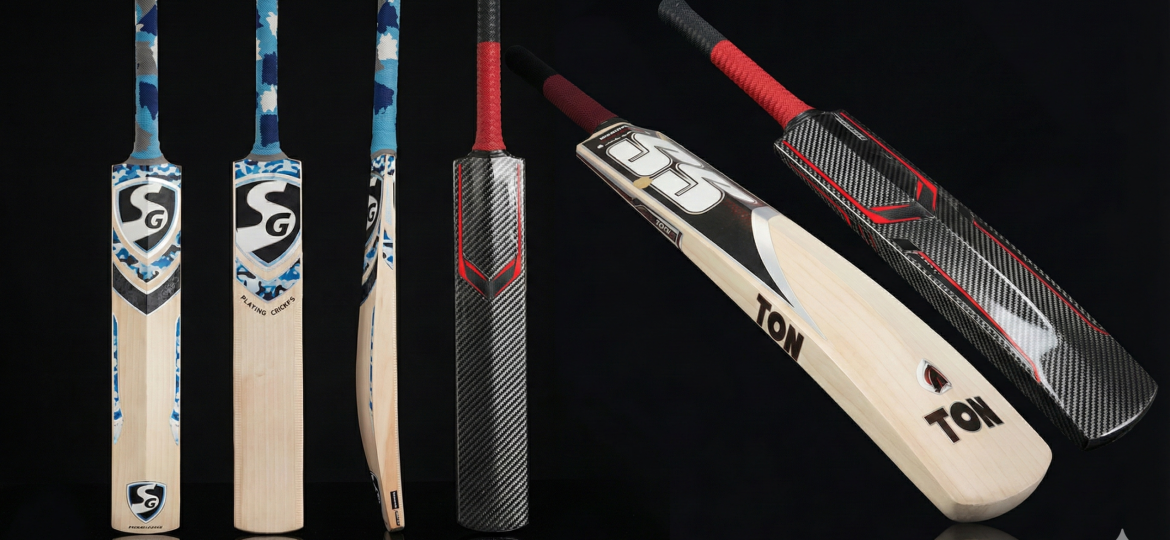
Fiber cricket bats have become a preferred choice for many players who want an alternative to traditional wooden models. With improvements in manufacturing, reinforced materials, and innovative layering technologies, fiber bats now offer better durability, consistency, and weather resistance. These bats are especially helpful for beginners, casual players, and anyone who needs a long-lasting option that performs well on different surfaces. This detailed guide explains the structure, benefits, performance features, and limitations of fiber bats to help you make an informed choice.
Comparing Fiber Cricket Bats with an English Willow Cricket Bat
While a fiber bat is known for strength and low maintenance, an English willow cricket bat is valued for its natural grain, softness, and professional-level performance. Fiber bats rely on composite materials that offer toughness but lack the same level of power transfer and sweet-spot responsiveness found in English willow. Many players choose fiber bats for training or casual matches while saving English willow for competitive play. Understanding the difference between the two helps players pick the right bat for their skill level and playing format.
Why Some Players Still Prefer an English Willow Cricket Bat for Professional Use
Although fiber bats deliver consistency and are less prone to cracking, they cannot fully replicate the dynamic feel of a natural English willow cricket bat during impact. Professional players rely on the unique rebound and balanced pickup of premium willow, which provides better ball control and shot accuracy. Fiber bats, however, require very little preparation, are weatherproof, and suit players who prioritize durability over traditional craftsmanship.
How Fiber Bats Are Made: Inside the Construction and Materials
Fiber bats are created using reinforced composite materials such as carbon fiber, fiberglass, and polymer layers. These layers are compressed and molded into a bat shape, then coated with protective finishes to improve shock absorption. Unlike wooden bats, fiber bats do not require knocking-in because the surface is already hardened and factory-pressed. The internal structure is designed to absorb vibration and withstand rough use, making them ideal for players who frequently play on hard pitches or with synthetic balls.
Key Performance Features of Fiber Cricket Bats
Fiber cricket bats come with several performance advantages. Their lightweight build supports faster bat speed and quick wrist movement, which helps in defensive strokes and controlled shots. The sweet spot tends to be broader compared to wooden bats, allowing beginners to strike the ball more effectively. The fiber layers also reduce the chances of edge damage and maintain shape for longer periods.
Power and Control in Fiber Bats
Most fiber bats offer moderate power but excellent control, making them useful for players who rely on timing instead of raw force. The sturdy exterior helps generate consistent rebound even if the ball is not struck perfectly.
Durability and Weather Resistance: Major Reasons Players Choose Fiber Bats
One of the strongest selling points of fiber cricket bats is their toughness. Natural wood can wear down, swell when wet, or crack under high impact, but fiber surfaces resist almost all weather conditions. Players who live in humid climates or frequently play outdoors appreciate that these bats do not absorb moisture. The reinforced body makes them suitable for long-term practice sessions and street cricket, where bats experience frequent wear and tear.
Low Maintenance Advantages of Fiber Bats
Unlike traditional bats that require oiling, knocking-in, and regular care, fiber bats need almost no maintenance. This convenience makes them ideal for young players, beginners, and schools managing multiple bats.
Choosing the Right Fiber Cricket Bat for Your Playing Style
Selecting the right bat depends on weight, balance, handle type, and the format you play. Lightweight models benefit players who rely on wrist movement, while heavier fiber bats offer extra power for lofted shots. The grip thickness should match your hand size so you can maintain better control during fast-paced deliveries. Many modern fiberglass bats come with anti-slip grips and shock-resistant handles to reduce vibration and improve comfort.
Best Use Cases for Fiber Cricket Bats in Modern Cricket
Fiber bats are excellent for casual matches, practice sessions, tennis-ball cricket, and rough ground environments. They perform well on hard surfaces and do not suffer from dents the way wooden bats do. For school teams, coaching academies, and community clubs, fiber bats are reliable options that reduce long-term replacement costs.
Limitations Players Should Consider
While fiber bats deliver durability, they cannot match the power of premium willow when facing professional leather-ball cricket. They may also produce a different sound upon impact, which some traditional players find less satisfying.
Are Fiber Cricket Bats Suitable for Leather Ball Matches?
Fiber bats can be used with leather balls, but their performance level is generally moderate. They provide enough strength for beginners and recreational players, but not the advanced rebound effect that competitive players expect from traditional wooden bats. Leather-ball cricket demands precise weight distribution and natural blade responsiveness, which is why wooden bats remain the top choice for professional formats.
Final Verdict: Should You Choose a Fiber Cricket Bat?
Fiber cricket bats are an excellent choice for players who value durability, affordability, and low maintenance. They are ideal for training, youth cricket, and informal matches. However, players seeking professional performance, strong shot power, and a premium feel will still prefer traditional wooden options. Understanding your playing style, skill level, and match conditions will help you decide whether a fiber bat or a traditional bat is the right investment.
