

- No products in the cart.
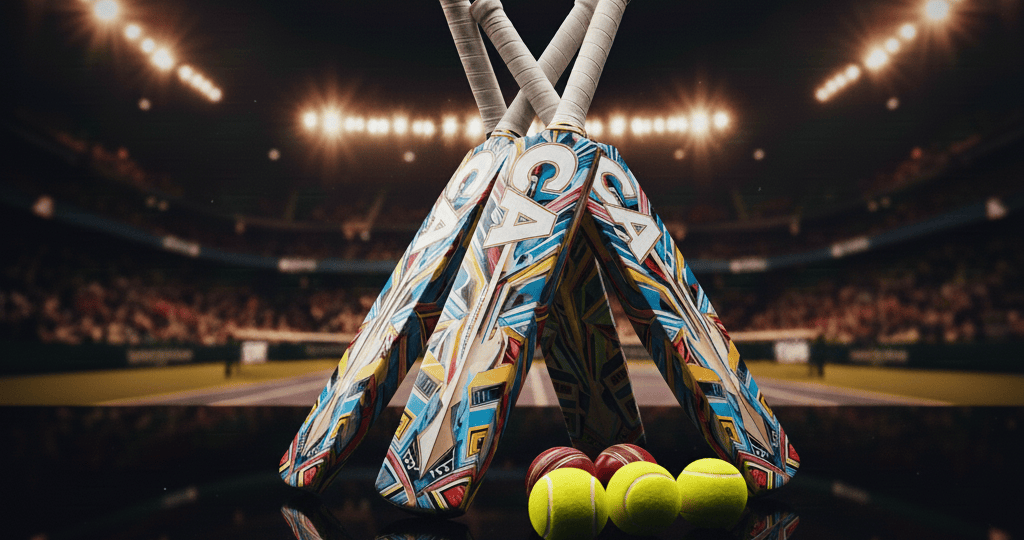
A tennis ball cricket bat may look similar to a traditional hardball bat, but the design, weight, and structure are completely different because the game demands a bat that is lighter, more flexible, and easier to swing. Tennis ball cricket matches involve faster hand movement, quick improvisation, and shots that rely more on timing than raw power. A heavy hardball bat slows down the swing, reduces wrist movement, and makes it harder to generate elevation on soft-pressure tennis balls. That is why tennis ball bats are specifically crafted with lighter profiles, thicker edges with softer curves, and a sweet spot positioned slightly lower to help players lift the ball effortlessly. These bats also allow younger players, street-cricket fans, and casual weekend cricketers to enjoy the game without dealing with the stiffness and weight of professional hardball bats.
Why Weight Matters So Much in a Tennis Ball Bat
The most important characteristic of a tennis ball cricket bat is its weight. Ideally, these bats are extremely light so that even beginners can generate maximum bat speed. A lighter bat allows players to adjust to unexpected bounces, irregular pitch conditions, and fast bowlers who rely more on surprise than consistency. Unlike leather balls, tennis balls do not penetrate the bat deeply, so players don’t require a heavy bat for power. Instead, speed and timing do the job. This is why most tennis ball bats weigh between 900 grams to 1.1 kg, which is significantly lighter than the 1.2–1.4 kg weight of English or Kashmir willow hardball bats. With this lower weight, players can play lofted shots, cheeky scoops, and quick pulls even on narrow streets or small grounds.
Willow Types Used in Tennis Ball Cricket Bats
Kashmir Willow for Extra Durability
Kashmir willow is one of the most commonly used woods for tennis ball bats because it offers durability at a budget-friendly price. It is slightly heavier than poplar or lightweight willows, but manufacturers shape it finely to ensure the final product remains light enough. Kashmir willow tennis ball bats offer a good stroke, a long lifespan, and a nice ping, making them popular for tournament-level tennis ball competitions.
Lightweight Poplar Willow for Street and Casual Cricket
Poplar willow bats are extremely light, making them perfect for tennis ball cricket played in streets and narrow areas. These bats are usually preferred by beginners or young players because they allow easy wrist movement. However, they are not as long-lasting as Kashmir willow bats, especially in matches involving hard-pressure or heavy tennis balls.
Hybrid or Fiber-Reinforced Willow for Maximum Stroke
Some modern tennis ball bats come with a combination of willow and reinforced fiber to improve durability without adding much weight. These hybrid bats are widely used in professional tape-ball and tennis ball tournaments because they offer a powerful stroke, excellent balance, and longer lifespan even under fast bowling.
Handle Types and Their Role in Shot Power
Round Handle for Smooth Wrist Rotation
Round handles are common in tennis ball bats because they allow wristy players to maneuver shots easily. Whether you want to hit flicks, quick pulls, or late cuts, a round handle gives more freedom and reduces resistance during rotation.
Oval Handle for Control Under Power Shots
Some players prefer oval handles because they offer better grip and control when transferring power into the ball. Oval handles reduce bat twist during big shots, which helps players maintain stability while striking lofted shots over long-on or mid-wicket.
Shape, Profile, and Sweet Spot in Tennis Ball Bats
Thick Edge but Light Body for Maximum Stroke
Tennis ball bats often feature thick edges, even though the overall weight remains low. This gives the bat a powerful hitting surface while ensuring comfortable pickup. The thick edge helps in generating power even on off-center shots.
Lower Sweet Spot for Better Elevation
Because tennis balls are lighter, bats used for this format usually have a lower sweet spot. This helps players lift the ball easily with minimum effort. Most street and tape-ball cricket players love this design because it helps them clear short boundaries consistently.
High Spine for Better Balance
A higher spine adds balance and distributes weight evenly across the bat. This improves control when playing defensive strokes or quick singles in competitive matches.
Types of Tennis Ball Cricket Bats
Soft Tennis Ball Bats
These bats are extremely lightweight, making them ideal for soft tennis balls used in casual cricket. They offer effortless pickup, easy swing, and comfortable handling for younger players.
Hard Tennis Ball Bats
Hard tennis balls require slightly stronger bats to avoid cracks or dents. These bats have reinforced edges and thicker profiles to withstand impact. They are ideal for matches played with heavy-duty tennis balls.
Tape Ball Bats
Tape-ball cricket is one of the most popular formats across South Asia, and the bats used for it are similar to tennis ball bats but slightly more durable. The additional reinforcement helps the bat handle the extra speed and weight created by tape around the ball.
How to Choose the Best Tennis Ball Cricket Bat
Check the Pickup First
Pickup is more important than the overall weight. A bat may look heavy but feel extremely light during a swing if the weight is distributed correctly. Always test the pickup to see if the bat suits your playing style.
Look for Comfortable Grip
A good grip absorbs shock, improves control, and enhances wrist movement. Most players prefer thick rubber grips for tennis ball bats because they reduce hand strain during long matches.
Select the Right Willow
If you want better durability, choose Kashmir willow. If you want extreme lightweight performance, choose poplar willow. For tournament-level power hitting, hybrid reinforced willows are ideal.
Choose the Correct Size
Bats come in sizes from 1 to full size. Adults typically use full-size bats, while children should use the appropriate size for easier handling and better technique development.
Maintenance Tips for Longer Bat Life
Avoid Using It With Hard Balls
A tennis ball bat should never be used with leather balls because the impact can damage the blade, crack the wood, or break the handle.
Keep It Dry and Clean
Moisture can weaken the wood and reduce performance. Always store your bat in a dry place and clean off dust or dirt after use.
Replace Grip Regularly
Over time, the grip becomes loose and slippery. Changing it every few months maintains comfort and control.
Conclusion: A Tennis Ball Cricket Bat Built for Every Type of Player
A tennis ball cricket bat is designed for speed, timing, and effortless stroke play. Whether you play in the streets, at school, on small grounds, or in competitive tape-ball tournaments, choosing the right bat makes a noticeable difference in your performance. With lightweight construction, optimized sweet spots, and flexible willow types, these bats allow players to enjoy cricket with comfort and confidence. If you pick a bat that suits your style—whether power-hitting, wristy play, or all-round stroke making—you will immediately feel the improvement in your game.

Related Posts
